
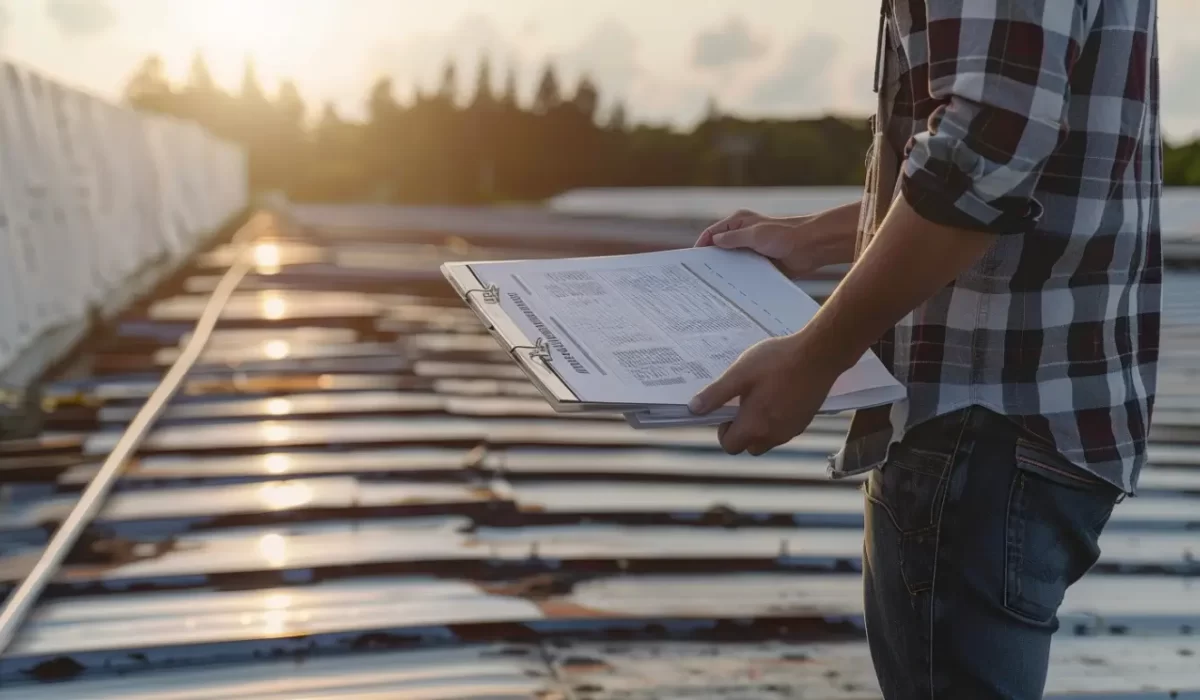
Roofing in high-density communities demands more than just basic repairs. With the rise of urban heat island effects, recurring leaks, and the need for energy-efficient solutions like green roofs, property managers and HOAs in Orange County, CA face complex challenges. At Fontaine Roofing, our expertise delivers tailored commercial roofing systems designed to address these unique demands. We combine industry-leading certifications and partnerships with best-in-class materials, ensuring every project supports both sustainability and long-term reliability in densely populated environments.
Unique Roofing Challenges in High-Density Communities
Managing roofing systems in high-density communities presents a unique set of challenges. Frequent water intrusion, intensified urban heat island effects, and rapid mold growth are common problems, particularly in buildings lacking proper insulation or energy-efficient strategies. These issues can escalate quickly, jeopardizing tenant safety, increasing maintenance costs, and reducing property value.
Fortunately, advancements in roofing design—such as cool roof technologies, high-performance insulation, and proactive maintenance practices—are tackling these concerns directly. By integrating modern materials with innovative upkeep approaches, property managers can keep buildings protected, comfortable, and energy-efficient, even as urban density continues to rise.
Contact Us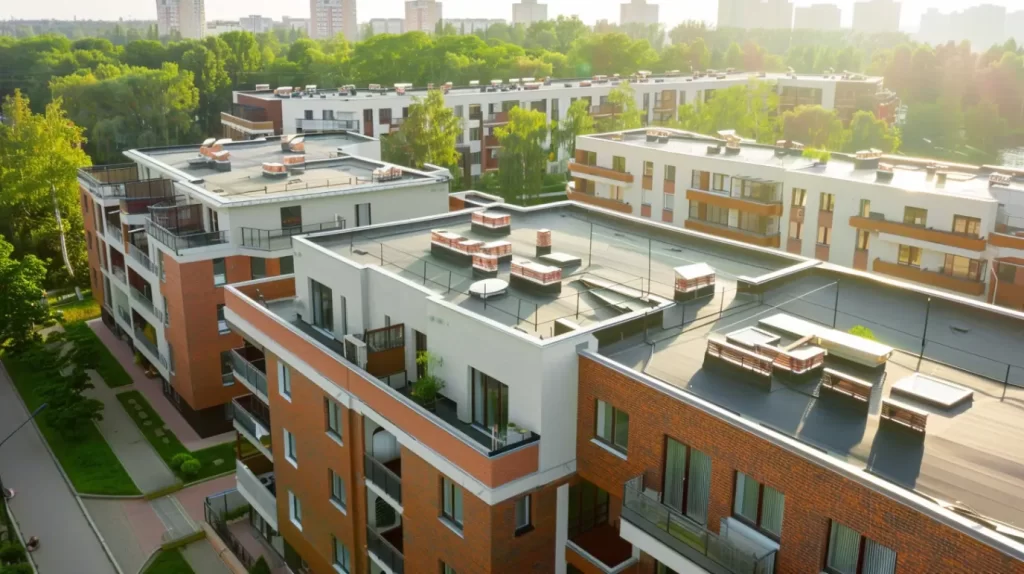
Common Causes of Roof Damage in Urban Environments
Urban environments present unique and demanding challenges for roofing systems. Harsh weather conditions, such as strong winds and heavy rainfall, accelerate material wear, while the urban heat island effect drives temperature fluctuations that gradually weaken structural integrity.
High building density often traps moisture, fostering mold growth and accelerating roof deterioration. Poor drainage, inadequate insulation, and debris buildup further reduce a roof’s lifespan. Adding to these concerns, municipal regulations may limit the use of traditional solutions, making it essential for property owners to explore innovative roofing designs that effectively address these complex urban challenges.
Impact of Population Density on Roof Lifespan
Urban environments place significant stress on roofing systems due to high population density. The urban heat island effect accelerates wear as buildings absorb and radiate heat, increasing energy use and risking roof damage. This can shorten roofing material lifespans, especially with constant exposure to pollutants.
Moreover, the close proximity of buildings can worsen water intrusion, compromising roof drainage and longevity. To address these challenges, innovative materials like cool roofs or green roofs can improve thermal performance and resilience, extending roof lifespans in dense communities.
Water Intrusion and Leak Management Issues
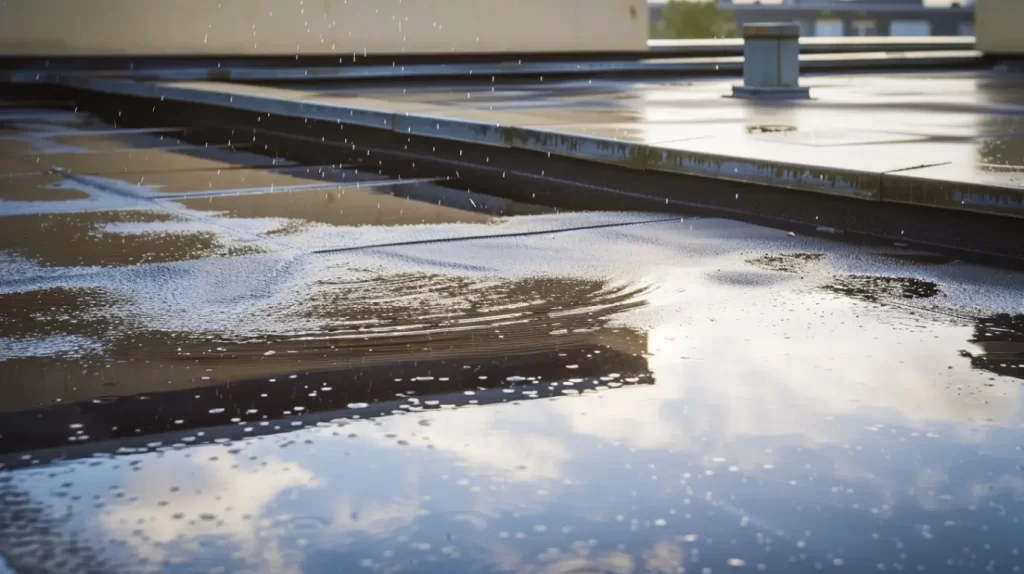
Frequent water intrusion is a major concern for property managers and HOAs in dense urban environments, where even minor leaks can quickly escalate into serious issues. Beyond damaging roofing materials, leaks promote rapid mold growth, compromise indoor air quality, and threaten a building’s structural integrity. Addressing these risks demands swift action and targeted, long-term solutions.
At Fontaine Roofing, we pair detailed roof evaluations with advanced waterproofing systems to prevent and control leaks. Through proactive maintenance and the use of modern, high-performance materials, we help communities safeguard residents, protect investments, and avoid costly emergency repairs.
Sources of Water Leaks in Multi-Unit Properties
In multi-unit properties, water leaks can cause extensive damage and costly repairs. Common sources include improperly sealed roof penetrations from plumbing, HVAC systems, and vents. Urban environments exacerbate these issues, often overlooking underlying problems due to structural modifications.
Inadequate drainage systems further increase risks. Poor roof slope and drainage design in high-density areas can lead to ponding water. Seasonal extremes like heavy rains or melting snow may overwhelm roofing materials, resulting in persistent dampness and mold that compromise indoor air quality. Addressing these challenges is crucial for ensuring durability and safety in densely populated living spaces.
Effective Drainage and Waterproofing Solutions
Effective drainage and waterproofing are essential for protecting roofs in high-density areas. Inefficient systems can exacerbate the urban heat island effect, leading to moisture retention that damages roofing. Techniques like tapered insulation enhance water runoff and reduce heat absorption, improving energy efficiency.
Waterproof membranes and specialized drainage prevent mold growth and extend roof lifespan. For example, a cool roof rating council-approved membrane optimizes thermal performance and mitigates water intrusion. Additionally, green roofs provide insulation benefits and assist in rainwater management, addressing urban challenges. A strategic approach to drainage and waterproofing significantly boosts roofing durability.
Limited Roof Access and Maintenance Logistics
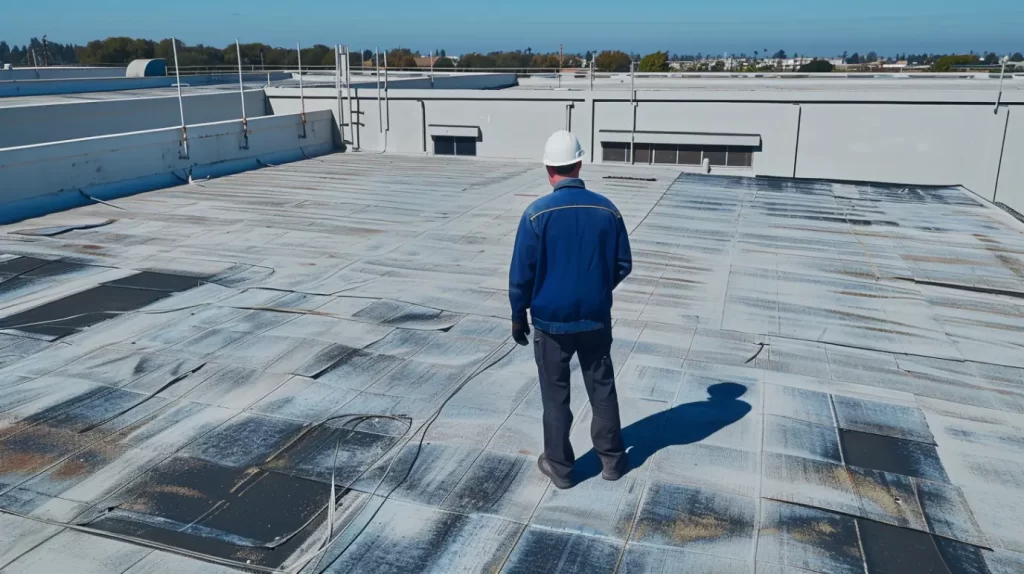
Accessing roofs in multi-story, high-density communities comes with logistical hurdles. Narrow spaces, shared facilities, and safety rules can delay repairs and make routine maintenance more challenging. These obstacles often lead to postponed work, risking further damage and higher costs.
Fontaine Roofing overcomes these challenges with detailed planning and safety-first protocols. Our team coordinates closely with property managers to ensure repairs are timely and cause minimal disruption, keeping maintenance on track for even the most complex properties. The following sections outline the best safety and scheduling strategies for these environments.
Safety Measures for Restricted Roof Spaces
Navigating restricted roof spaces in high-density environments requires strong safety measures. Prioritizing worker safety, effective fall protection systems that comply with OSHA regulations are crucial. Implementing guardrails and harnesses minimizes risks associated with limited maneuverability.
Training for navigating tight spaces is essential. Workers must understand scaffold safety and use stable ladders to prevent slips and trips. Regular inspections for hazards like overhanging structures or debris enhance safety protocols. By addressing these factors, organizations can cultivate a culture of safety while performing roofing tasks in dense settings.
Scheduled Maintenance for Multi-Story Buildings
A structured maintenance plan for multi-story buildings is essential for extending roof lifespan and preventing damage. Regular inspections identify wear early, allowing timely repairs and avoiding costly issues. Scheduled maintenance also assesses insulation efficiency, impacting energy use and indoor climate.
In urban areas, where the heat island effect accelerates roofing wear, proactive maintenance is vital. Consulting professionals familiar with cool roof guidelines can optimize roof performance against this effect. This approach safeguards the structure while promoting sustainability by reducing cooling costs and enhancing energy efficiency.
Addressing Heat Build-Up and Energy Efficiency
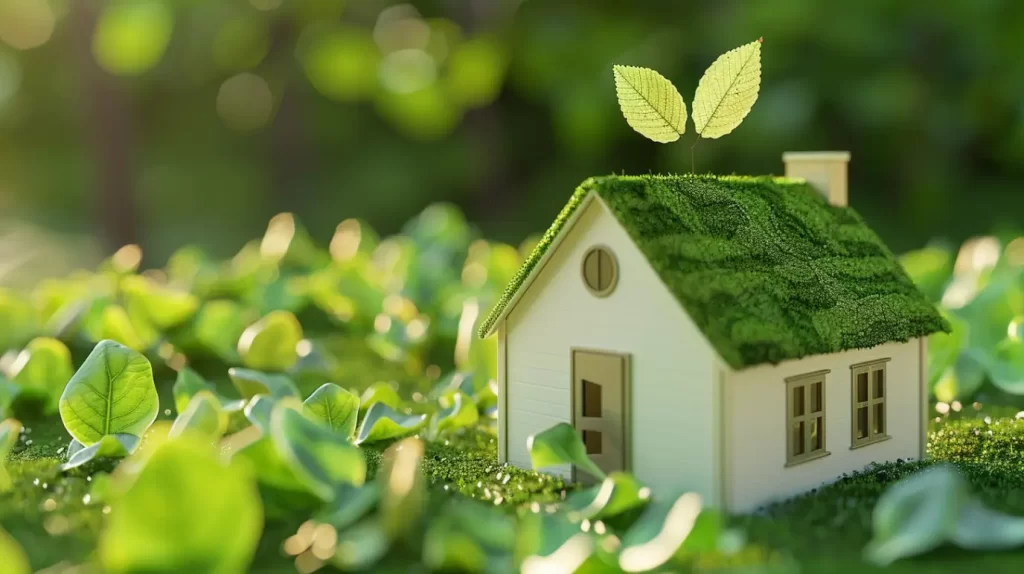
Heat build-up is a significant concern for roofs in high-density settings, directly affecting cooling demands, indoor comfort, and overall energy use. Without effective insulation or reflective surfaces, buildings experience elevated interior temperatures and rising utility costs. In dense urban areas, the urban heat island effect amplifies these challenges, placing added strain on cooling systems.
Fontaine Roofing offers integrated solutions that combine high-performance insulation with advanced cool roof technologies to reduce heat impact and boost energy efficiency. The following sections explore how these innovations create comfortable, cost-effective environments for both residents and property managers.
Role of Cool Roofs in Urban Temperature Reduction
Cool roofs significantly mitigate the urban heat island effect in dense communities by reflecting sunlight and absorbing less heat than traditional materials. This lowers surrounding temperatures, enhancing resident comfort and reducing cooling energy costs.
Additionally, cool roofs improve durability and extend lifespan, crucial in high-density areas with unique roofing challenges. Their adoption fosters a healthier urban ecosystem by minimizing mold growth and improving thermal performance, promoting sustainability in urban living.
Insulation Options for Improved Thermal Performance
Effective insulation is vital for optimal thermal performance, especially in regions impacted by the urban heat island effect. High-quality materials such as spray foam, rigid foam boards, and cellulose help minimize heat transfer, improving energy efficiency and supporting better energy management across multi-unit buildings.
When paired with reflective insulation systems, cool roofs deliver enhanced cooling effects, creating more comfortable living spaces. The right insulation also plays a critical role in reducing heat buildup, preventing mold growth, and extending the lifespan of roofing structures, providing lasting benefits for properties in dense, high-population communities.
Innovative Materials and Covering Systems
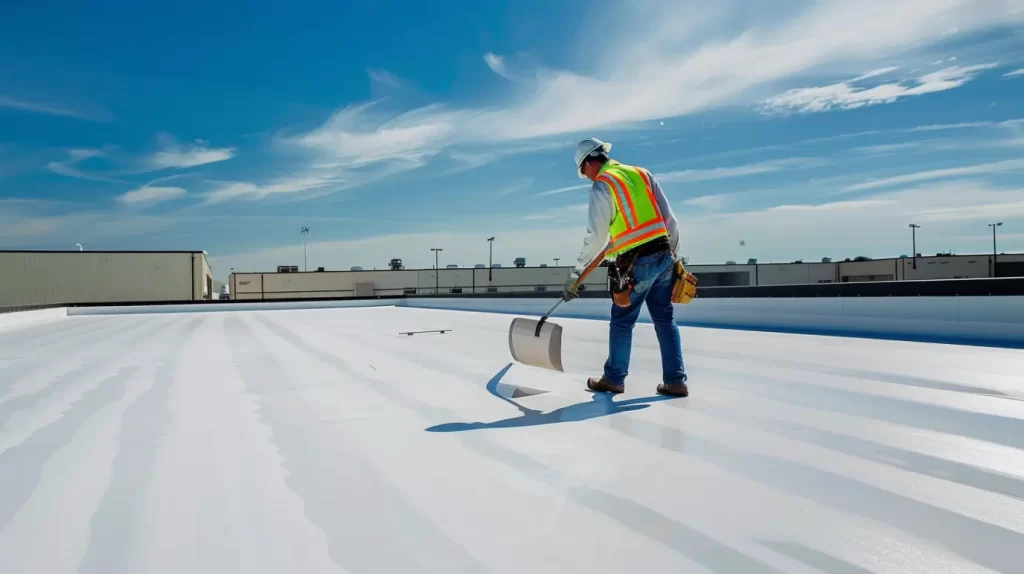
Advancements in roofing materials are transforming how dense communities address challenges related to heat, water, and energy management. Fontaine Roofing installs industry-leading systems, including green roofs, high-performance membranes, and advanced insulation, tailored to meet the evolving needs of commercial and multi-unit properties.
These innovative solutions improve durability, minimize maintenance requirements, and reduce long-term costs. They also promote sustainability by conserving energy, mitigating the urban heat island effect, and enhancing stormwater runoff control. The following sections detail how single-ply membranes and other modern roofing systems excel in dense urban environments compared to traditional roofing approaches.
Benefits of Single-Ply Membranes in Dense Communities
Single-ply membranes are an effective roofing solution for high-density communities due to their lightweight and durable design. Made from EPDM, TPO, or PVC, they offer excellent moisture resistance and reduced leak potential when properly installed. Their seamless structure minimizes water intrusion risks, essential in multi-unit properties with shared infrastructure.
Additionally, many single-ply membranes feature reflective properties that help mitigate the urban heat island effect, enhancing energy efficiency in densely populated areas. By lowering cooling energy demands, they reduce utility costs and support sustainable urban living, making them ideal for improving buildings’ thermal performance.
Comparing Green Roofs, Built-Up, and Modified Bitumen Systems
Each roofing system offers distinct advantages for high-density urban environments. Green roofs mitigate the urban heat island effect and enhance energy efficiency by providing insulation and absorbing rainwater, which reduces runoff and cools the area.
Built-up roofs (BUR) offer long-lasting protection through multilayered construction, while modified bitumen systems combine BUR’s durability with modern material flexibility, adapting to changing climates. Property owners can choose from these systems based on their energy use, cooling needs, and maintenance requirements.
Get in Touch
Addressing roofing challenges in high-density communities is essential to ensuring the longevity, safety, and functionality of urban roofs. Issues such as water intrusion, restricted maintenance access, and accelerated wear require targeted strategies from property managers and HOAs. By adopting innovative materials, advanced waterproofing systems, and energy-efficient practices, communities can significantly enhance durability while reducing environmental impact. If you’re facing roofing concerns in your high-density property, Fontaine Roofing in Orange County, CA, offers expert solutions. Contact us today for a comprehensive consultation to protect your investment and improve the performance of your roofing system.
Read our blog: Long-Term Planning for Roofing in Large Communities
Frequently Asked Questions
What is the best roofing solution for long-term durability in high-density areas?
The best roofing solution for long-term durability combines green roofs, single-ply membranes, and advanced insulation. These systems, especially those certified by the Cool Roof Rating Council, offer superior protection against weather, water intrusion, and heat, making them ideal for high-density communities seeking reliable performance.
How do green and cool roofs impact community energy use and costs?
Green and cool roofs significantly lower community energy use by enhancing insulation and reflecting solar heat, which reduces cooling needs during hot periods. They also help decrease the urban heat island effect, resulting in lower utility bills and improved comfort for residents.
What maintenance schedule is recommended for roofs in multi-unit properties?
A recommended maintenance schedule includes annual comprehensive inspections, seasonal cleaning of drains and gutters, and prompt repair of leaks. Regular checks of insulation and energy use ensure maximum performance, prevent mold, and extend the lifespan of roofing systems in multi-unit properties.